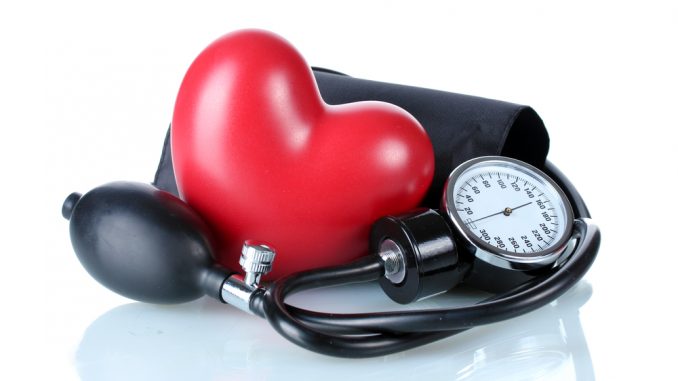
Doctors warn: if your pressure exceeds 140/90 for several days, you should immediately seek help. But even if the indicators are only slightly above the norm, our health can still be in danger.
Even slightly elevated blood pressure can cause serious health problems. Doctors warn: even if your readings are 130/80 millimeters of mercury or higher and stay at this level for a week, you should definitely see a doctor. We tell you what health problems even slightly elevated blood pressure can lead to.
High risk of dementia
As noted in a study published in the European Heart Journal, people over 50 with a systolic blood pressure of 130 mm Hg. the risk of developing dementia increases by 45%. The higher your blood pressure, the greater your risk of dementia later in life.
Stroke
High blood pressure is one of the main causes of diseases of the cardiovascular system, primarily stroke. But if your blood pressure is “just a little high,” you can’t feel safe either: the negative effects on the cardiovascular system from high blood pressure accumulate gradually and can eventually lead to a stroke.
heart attack
If your blood pressure is 120/80, your risk of heart disease is low. But if the numbers are higher, then the probability of getting a heart attack even at a young age is very high. Monitor your blood pressure levels, see your doctor for medical support if needed, and be especially mindful of your heart health.
vision problems
The higher the blood pressure, the more stress is placed on the blood vessels at the back of the eye (the retina). Because of this, serious diseases can develop that can even lead to complete loss of vision. Do not forget to visit an ophthalmologist at least once a year, even if your eyesight is perfect – this doctor will be able to identify some serious diseases at a very early stage.
kidney disease
One of the main functions of our kidneys https://en.wikipedia.org/wiki/Kidney is to filter waste products from the blood, and blood vessels also take part in this process. If the vessels are damaged (and this is quite likely with increased pressure), the load on the kidneys increases – and over time this can lead to kidney failure. According to the National Institute of Diabetes and Digestive and Kidney Diseases (USA), high blood pressure is the second leading cause of kidney failure.